Air Fresheners Are Polluting Your Indoor Air: The Toxic Chemicals in Scented Products
Independent testing reveals that most air fresheners — including those labeled 'natural' or 'organic' — emit hazardous volatile organic compounds, phthalates, and formaldehyde that degrade indoor air quality and pose measurable health risks.
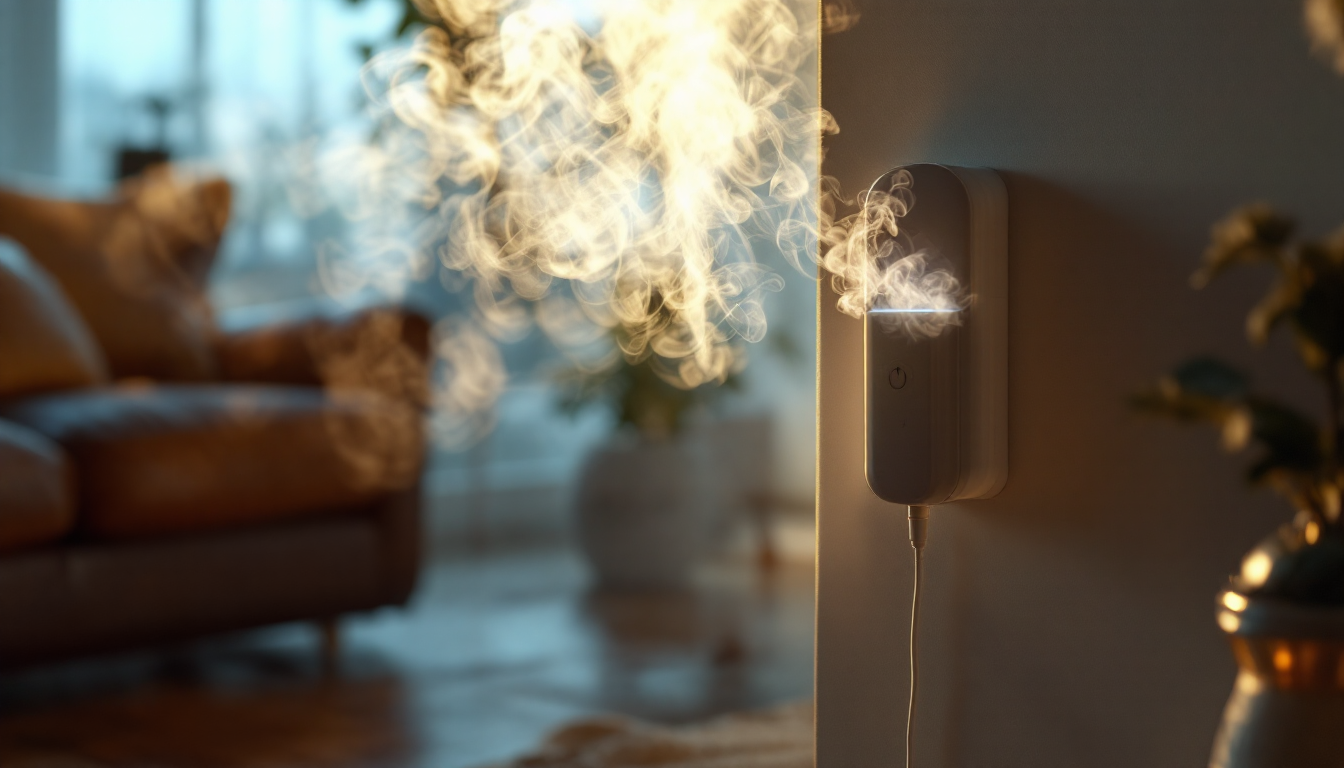
Introduction: The Hidden Cost of Making Your Home Smell Good
Americans spend more than $12 billion annually on air fresheners, scented candles, and fragrance diffusers — products designed to make indoor spaces smell pleasant. They are so ubiquitous that most households use at least one: plug-ins humming in hallways, aerosol cans in bathrooms, scented beads tucked into closets. The assumption underlying all of this is simple and rarely questioned: these products make the air better.
They do not. They make it worse.
Over the past two decades, a growing body of independent research has revealed that air fresheners are significant sources of indoor air pollution. They emit volatile organic compounds (VOCs), phthalates, formaldehyde, and dozens of other hazardous chemicals — many of which are not disclosed on product labels. Rather than cleaning the air, these products add a cocktail of synthetic chemicals to it, creating exposure risks for everyone in the home, with children, pregnant women, and pets facing the greatest vulnerability.1
This article examines the chemical reality behind scented products, the health effects documented in peer-reviewed research, and the practical alternatives that actually improve indoor air quality rather than degrading it.
What Air Fresheners Actually Release: VOCs, Phthalates, and Formaldehyde
The term "air freshener" is a misnomer. These products do not freshen air — they introduce new chemicals into it. The mechanism varies by product type (sprays, plug-ins, gels, beads, candles), but the chemical output is remarkably consistent across categories.
Volatile Organic Compounds (VOCs)
VOCs are carbon-containing chemicals that evaporate readily at room temperature. They are the primary vehicle for fragrance delivery in air fresheners and include chemicals such as limonene, linalool, acetone, ethanol, and terpenes. While some VOCs occur naturally (limonene gives citrus its scent), their behavior indoors is fundamentally different from outdoors.
When VOCs from air fresheners react with ozone — even at the low levels found in typical indoor air — they generate secondary pollutants including formaldehyde, acetaldehyde, and ultrafine particles. A study published in Environmental Science & Technology found that the reaction of limonene with indoor ozone produced formaldehyde concentrations that exceeded workplace safety guidelines within 60 minutes of product use.2
A single plug-in air freshener can emit more than 20 different VOCs simultaneously, many of which are classified as toxic or hazardous under federal law. Critically, fewer than 10% of these chemicals are typically disclosed on product labels.3
Phthalates: The Hidden Endocrine Disruptors
Phthalates are synthetic plasticizer chemicals used in air fresheners as fragrance solvents and fixatives — they help fragrances last longer by slowing evaporation. The most commonly detected phthalate in air freshener testing is diethyl phthalate (DEP), though others including dibutyl phthalate (DBP) and di(2-ethylhexyl) phthalate (DEHP) have also been identified.
Phthalates are established endocrine disruptors. They interfere with the body's hormonal signaling systems, particularly:
- Androgen disruption: Phthalates have anti-androgenic effects, meaning they block or reduce the action of male hormones. Prenatal exposure has been linked to reproductive tract abnormalities in male infants, including shortened anogenital distance — a biomarker of androgen disruption.4
- Thyroid disruption: Several phthalates interfere with thyroid hormone synthesis and transport, which is critical for brain development in fetuses and young children.
- Metabolic effects: Emerging research links phthalate exposure to insulin resistance, obesity, and metabolic syndrome.
Because phthalates are classified as part of the fragrance formulation, they are almost never listed on product labels. Consumers have no way to know whether a product contains phthalates without independent laboratory testing.
Formaldehyde: A Known Carcinogen in Your Living Room
Formaldehyde is classified as a Group 1 known human carcinogen by the International Agency for Research on Cancer (IARC). It is not typically added to air fresheners as an ingredient — rather, it is generated as a secondary pollutant when the VOCs emitted by air fresheners react with ozone in indoor air, and as a direct emission from some combustion-based products like scented candles.
Research by Nazaroff and Weschler demonstrated that common terpenes in air fresheners — particularly limonene and alpha-pinene — react readily with even low indoor ozone concentrations to produce formaldehyde at levels that exceed chronic health guidelines.5 This means that the simple act of using an air freshener in a room with background ozone (which enters through open windows, ventilation systems, or is produced by some electronic devices) generates a known carcinogen.
Fragrance Trade Secrets: What Companies Don't Have to Tell You
One of the most significant barriers to consumer safety is the legal framework surrounding fragrance ingredients. Under current U.S. regulations, fragrance formulations are classified as trade secrets. The Fair Packaging and Labeling Act requires that cosmetics and household products list their ingredients, but it contains a specific exemption for fragrance — manufacturers need only list the single word "fragrance" on the label, regardless of how many individual chemicals that fragrance contains.
A single fragrance in an air freshener may contain 50 to 300 individual chemical ingredients. Many of these have never been assessed for inhalation safety. The fragrance industry is largely self-regulated through the International Fragrance Association (IFRA) and the Research Institute for Fragrance Materials (RIFM), organizations funded by the fragrance industry itself.6
This regulatory gap means that consumers are inhaling complex chemical mixtures with essentially no information about what those mixtures contain — and no independent assurance that they are safe.
The NRDC Study: Even "Green" Products Fail
In 2007, the Natural Resources Defense Council (NRDC) published a landmark study that tested 14 common air fresheners purchased from a regular retail store. The results were striking:
- 12 of the 14 products (86%) contained phthalates, including products marketed as "all-natural" and "unscented."
- None of the products that contained phthalates listed them on their ingredient labels.
- Some products labeled "all-natural" or "organic" contained as many phthalates as conventional products.
- The products emitted a range of VOCs including toluene, benzene derivatives, and terpenes.7
The NRDC study was significant not only for its findings but for exposing the gap between marketing claims and chemical reality. The terms "natural," "organic," "green," and "non-toxic" on air freshener labels are essentially unregulated — they carry no legal definition and no enforcement mechanism for these product categories.
Subsequent studies by Steinemann and colleagues at the University of Melbourne confirmed and expanded these findings. Analysis of 37 fragranced consumer products — including air fresheners, laundry products, and personal care items — identified 156 different VOCs, of which 42 were classified as toxic or hazardous. On average, each product emitted 17 VOCs, but only one of those chemicals was disclosed on any product label.3
Respiratory Health Effects
The respiratory system is the primary route of exposure for air freshener chemicals, and the evidence of harm is substantial.
Asthma and Airway Inflammation
Multiple epidemiological studies have linked air freshener use to increased asthma risk and exacerbation of existing asthma. A large population-based study in Australia found that 33% of individuals with asthma reported adverse health effects — including breathing difficulties, headaches, and dizziness — when exposed to air fresheners and other fragranced products.8
The mechanisms are well understood: VOCs and particulate matter from air fresheners irritate the airway epithelium, activate inflammatory pathways, increase mucus production, and can trigger bronchospasm in sensitized individuals. Chronic exposure leads to airway remodeling — structural changes to the airways that make them permanently more reactive.
Reduced Lung Function
A European Community Respiratory Health Survey study tracking over 3,500 adults across 10 countries found that regular use of spray air fresheners was associated with a 12–19% increase in the risk of developing asthma symptoms and a measurable reduction in lung function as measured by FEV1 (forced expiratory volume in one second).9
Endocrine Disruption and Reproductive Effects
Beyond respiratory harm, the phthalates and other endocrine-disrupting chemicals in air fresheners raise concerns about systemic hormonal effects from chronic inhalation exposure.
Research published in Environmental Health Perspectives demonstrated that women with higher urinary concentrations of phthalate metabolites — which correlate with air freshener and fragranced product use — showed altered reproductive hormone levels, including reduced estradiol and changes in follicle-stimulating hormone patterns.10 Animal studies have shown that prenatal phthalate exposure at levels consistent with human environmental exposure produces reproductive tract malformations, reduced fertility, and altered sexual differentiation.
For pregnant women, the concern is particularly acute: the fetal period represents a window of extreme vulnerability to endocrine disruption, when even small perturbations in hormonal signaling can produce permanent developmental effects.
Children and Pets: The Most Vulnerable Populations
Why Children Face Greater Risk
Children are disproportionately affected by air freshener chemicals for several physiological reasons:
- Higher respiratory rate: Children breathe more air per kilogram of body weight than adults, resulting in proportionally greater chemical intake.
- Immature detoxification systems: The liver enzyme systems that metabolize and eliminate foreign chemicals (particularly the cytochrome P450 system) are not fully developed until adolescence.
- Developing organ systems: The respiratory, neurological, reproductive, and endocrine systems are actively developing throughout childhood, making them more susceptible to chemical disruption.
- Proximity to sources: Infants and toddlers spend time on floors and surfaces where heavier chemical residues settle, and their hand-to-mouth behavior creates additional ingestion exposure.
A study in the Archives of Disease in Childhood followed over 14,000 children from the Avon Longitudinal Study of Parents and Children (ALSPAC) and found that frequent use of air fresheners during pregnancy and early infancy was associated with increased rates of diarrhea, earache, and headache in infants, and higher rates of wheezing and respiratory infections in young children.11
Pet Vulnerability
Companion animals face heightened risk from air freshener exposure. Dogs and cats have faster respiratory rates and smaller body mass than humans, resulting in higher relative doses of inhaled chemicals. Birds are extraordinarily sensitive — their uniquely efficient respiratory systems, with air sacs and unidirectional airflow, mean that airborne toxicants are absorbed with exceptional efficiency. VOCs from air fresheners, scented candles, and aerosol sprays have been documented to cause acute respiratory distress and death in pet birds.
Cats face an additional risk: they lack several key hepatic glucuronidation enzymes (particularly UGT1A6) needed to metabolize phenolic compounds found in many essential oils and synthetic fragrances. Chemicals that a human liver can process and eliminate may accumulate to toxic levels in a cat's body.
Safer Alternatives That Actually Work
The most effective approach to indoor air quality is fundamentally different from the air freshener paradigm. Instead of adding chemicals to mask odors, the goal should be removing pollutants and addressing odor sources.
Source Control and Ventilation
- Identify and address odor sources rather than masking them — clean surfaces, remove garbage promptly, address mold or moisture problems.
- Open windows for cross-ventilation when outdoor air quality permits. Even 10–15 minutes of ventilation significantly reduces indoor VOC concentrations.
- Use exhaust fans in kitchens and bathrooms to remove odor-generating moisture and cooking fumes at the source.
Air Purification
- HEPA air purifiers remove airborne particulate matter, including ultrafine particles. Choose models with activated carbon filters for additional VOC removal.
- Baking soda (sodium bicarbonate) is an effective odor absorber for enclosed spaces like refrigerators, closets, and trash cans.
Low-Risk Fragrance Options
- Simmer herbs, spices, or citrus peels in water on the stove for a gentle, chemical-free fragrance.
- Dried lavender, cedar blocks, or herb sachets provide mild scent through natural evaporation without synthetic chemical exposure.
- Essential oil diffusers are a partial improvement but not risk-free — essential oils still emit VOCs (particularly terpenes) that can react with ozone, and some oils are toxic to pets. Use sparingly in well-ventilated spaces.
What Needs to Change
The current regulatory framework for air fresheners is inadequate to protect public health. Meaningful reform would include:
- Full ingredient disclosure: Eliminating the trade secret exemption for fragrance ingredients so that consumers can make informed choices.
- Pre-market safety testing: Requiring inhalation toxicity testing for all chemicals used in products designed to be dispersed into breathable air.
- Meaningful labeling: Regulating the use of terms like "natural," "organic," and "non-toxic" on air freshener products to prevent misleading marketing.
- Indoor air quality standards: Establishing enforceable limits for VOC emissions from consumer products used in enclosed spaces.
References
- Steinemann, A. "Ten Questions Concerning Air Fresheners and Indoor Built Environments." Building and Environment, vol. 111, 2017, pp. 279–284.
- Singer, B. C., et al. "Indoor Secondary Pollutants from Household Product Emissions in the Presence of Ozone." Environmental Science & Technology, vol. 40, no. 14, 2006, pp. 4421–4428.
- Steinemann, A. "Fragranced Consumer Products: Exposures and Effects from Emissions." Air Quality, Atmosphere & Health, vol. 9, no. 8, 2016, pp. 861–866.
- Swan, S. H., et al. "Decrease in Anogenital Distance among Male Infants with Prenatal Phthalate Exposure." Environmental Health Perspectives, vol. 113, no. 8, 2005, pp. 1056–1061.
- Nazaroff, W. W., and Weschler, C. J. "Cleaning Products and Air Fresheners: Exposure to Primary and Secondary Air Pollutants." Atmospheric Environment, vol. 38, no. 18, 2004, pp. 2841–2865.
- Bridges, B. "Fragrance: Emerging Health and Environmental Concerns." Flavour and Fragrance Journal, vol. 17, no. 5, 2002, pp. 361–371.
- Natural Resources Defense Council. "Clearing the Air: Hidden Hazards of Air Fresheners." NRDC Issue Paper, September 2007.
- Steinemann, A. "National Prevalence and Effects of Multiple Chemical Sensitivities." Journal of Occupational and Environmental Medicine, vol. 60, no. 3, 2018, pp. e152–e156.
- Zock, J. P., et al. "The Use of Household Cleaning Sprays and Adult Asthma: An International Longitudinal Study." American Journal of Respiratory and Critical Care Medicine, vol. 176, no. 8, 2007, pp. 735–741.
- Duty, S. M., et al. "Phthalate Exposure and Reproductive Hormones in Adult Men." Human Reproduction, vol. 20, no. 3, 2005, pp. 604–610.
- Farrow, A., et al. "Symptoms of Mothers and Infants Related to Total Volatile Organic Compounds in Household Products." Archives of Environmental Health, vol. 58, no. 10, 2003, pp. 633–641.
Medical Disclaimer: This article is intended for informational and educational purposes only and does not constitute medical advice. The information presented reflects current scientific literature as of the date of publication and may be subject to revision as new research emerges. If you have concerns about chemical sensitivities, respiratory symptoms, or indoor air quality, consult a qualified healthcare professional.
Frequently Asked Questions
Are 'natural' or 'organic' air fresheners safer than conventional ones?▼
Can air fresheners trigger asthma attacks?▼
What are phthalates and why are they in air fresheners?▼
How do air fresheners affect pets?▼
What are safer alternatives to chemical air fresheners?▼
Medical Disclaimer: This article is for educational purposes only and does not constitute medical advice. Always consult your healthcare provider before making health decisions.