Alcohol and Alzheimer's Disease: What the Science Really Says About Drinking and Dementia Risk
New research is overturning decades of belief that moderate drinking protects the brain. The latest evidence links alcohol consumption — even at moderate levels — to brain atrophy, cognitive decline, and increased dementia risk.
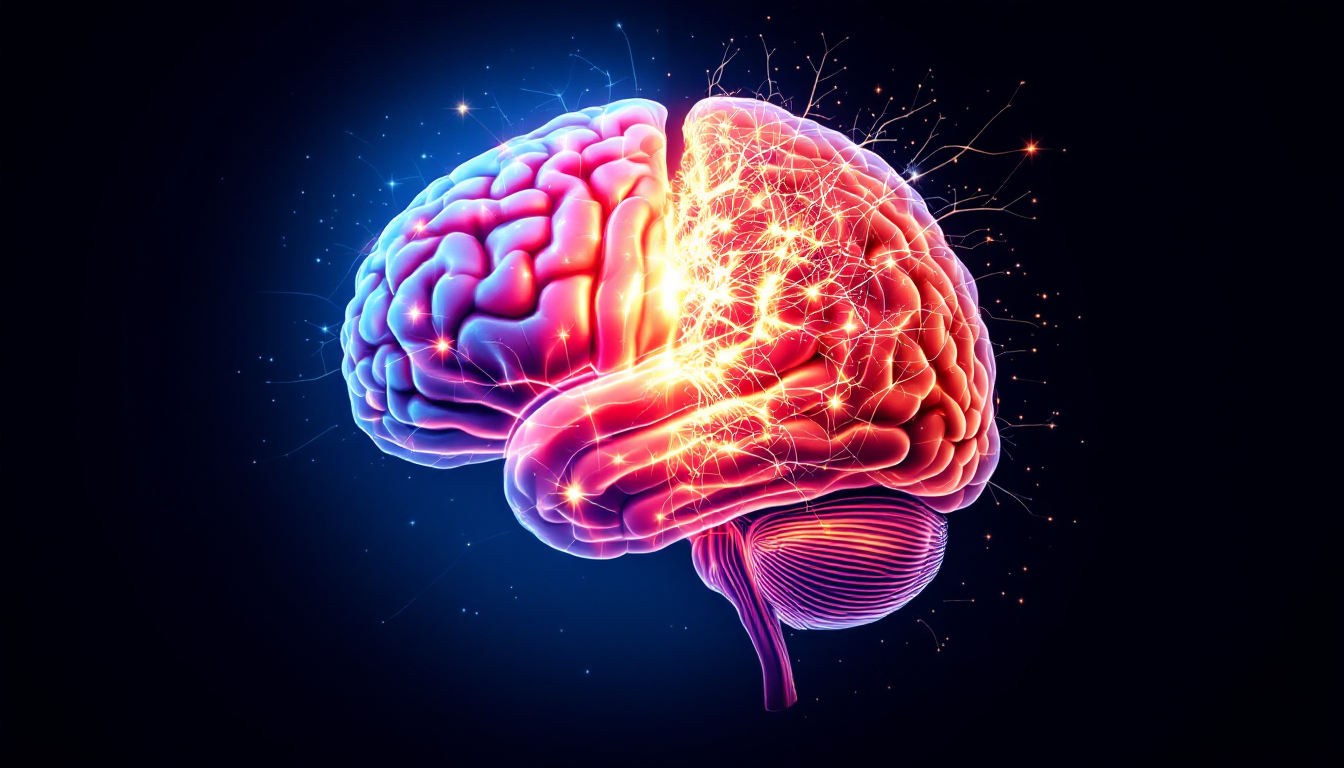
For decades, a comforting narrative persisted in popular health culture: moderate drinking — especially red wine — protects the brain and may reduce the risk of Alzheimer's disease and dementia. This belief was based on numerous observational studies showing that moderate drinkers had lower dementia rates than non-drinkers. But a revolution in research methodology is now overturning this narrative. The latest evidence, including large-scale brain imaging studies and genetically informed analyses, paints a starkly different picture: alcohol, even at moderate levels, appears to shrink the brain and increase the risk of cognitive decline [1].
The Moderate Drinking Myth: How Flawed Research Misled Us
The idea that moderate alcohol consumption protects against dementia originated from observational epidemiological studies conducted over several decades. These studies consistently found a "J-shaped curve" — moderate drinkers appeared healthier than both heavy drinkers and non-drinkers. This pattern was interpreted as evidence that moderate alcohol was protective.
The problem, as researchers now understand, lies in the reference group. The "non-drinker" category in most studies was a heterogeneous mix that included:
- Former heavy drinkers who quit because of health problems ("sick quitter" bias)
- People who abstained for health reasons — those already managing chronic conditions
- People on medications incompatible with alcohol
- Individuals from lower socioeconomic backgrounds with multiple health disadvantages
When moderate drinkers — typically healthier, wealthier, and more socially active — were compared to this unhealthy reference group, they appeared to benefit from drinking. But the benefit came from their overall lifestyle, not the alcohol.
Mendelian Randomization: The Game-Changer
The methodological breakthrough came from Mendelian randomization studies — a technique that uses genetic variants associated with alcohol consumption as natural experiments to estimate causal effects. Because genes are randomly assigned at conception, this approach avoids the confounding that plagues observational studies.
A large Mendelian randomization study published in Molecular Psychiatry in 2022 analyzed genetic data from over 300,000 participants and found that genetically predicted alcohol consumption was associated with increased risk of Alzheimer's disease — directly contradicting the observational J-curve [2]. The apparent protective effect of moderate drinking evaporated when confounding was properly controlled.
What Alcohol Does to the Brain
Brain Shrinkage
A landmark 2022 study published in Nature Communications analyzed brain MRI data from 36,678 adults in the UK Biobank. The results were striking: alcohol consumption was associated with reduced total brain volume in a dose-dependent manner, with the relationship apparent even at levels as low as one to two drinks per day [1]. At higher consumption levels, the association accelerated — going from one to two drinks daily to three to four drinks was associated with brain aging equivalent to over 10 years.
The areas most affected included the hippocampus (critical for memory formation and the region most devastated by Alzheimer's disease), the frontal cortex (responsible for executive function, decision-making, and impulse control), and white matter tracts (the communication highways connecting brain regions).
Mechanisms of Alcohol Neurotoxicity
Alcohol damages the brain through multiple interconnected mechanisms:
- Direct neurotoxicity — Ethanol and its primary metabolite acetaldehyde are directly toxic to neurons, causing oxidative stress and mitochondrial dysfunction.
- Neuroinflammation — Alcohol activates brain immune cells (microglia), triggering chronic neuroinflammation that damages neurons and promotes amyloid-beta accumulation — the hallmark protein of Alzheimer's disease [3].
- Thiamine (Vitamin B1) deficiency — Alcohol impairs thiamine absorption and utilization. Severe deficiency causes Wernicke-Korsakoff syndrome, a devastating neurological condition, but even subclinical deficiency contributes to cognitive decline.
- Disrupted neurogenesis — Alcohol suppresses the birth of new neurons in the hippocampus, impairing the brain's capacity for learning and memory.
- Vascular damage — Alcohol contributes to hypertension, atrial fibrillation, and small vessel disease in the brain — all independent risk factors for vascular dementia.
- Sleep disruption — Alcohol fragments sleep architecture, reducing restorative slow-wave sleep and REM sleep. During deep sleep, the brain's glymphatic system clears metabolic waste, including amyloid-beta. Alcohol-impaired sleep may accelerate amyloid accumulation.
The Dose-Response: Is Any Amount Safe?
The emerging consensus is that there is likely no safe threshold for alcohol's effects on the brain. The 2022 UK Biobank imaging study found negative associations with brain volume beginning at just one daily drink. A 2023 meta-analysis published in JAMA Network Open examining 28 prospective cohort studies concluded that light-to-moderate drinking did not confer protection against dementia, and that the risk increased progressively with higher consumption [4].
Heavy drinking (defined as 4+ standard drinks per day for men, 3+ for women) carries the most dramatic risk: a French national study of over 31 million hospital admissions found that alcohol use disorders were the single strongest modifiable risk factor for dementia onset, tripling the risk compared to the general population [5].
Alcohol and Specific Dementia Types
Alzheimer's Disease
Alcohol promotes amyloid-beta accumulation, tau phosphorylation, and neuroinflammation — the three core pathological features of Alzheimer's disease. Animal studies demonstrate that chronic alcohol exposure accelerates Alzheimer's pathology, and human epidemiological data increasingly supports a causal relationship, particularly at heavy consumption levels.
Vascular Dementia
Alcohol's cardiovascular effects — hypertension, arrhythmia, cardiomyopathy, and stroke — directly increase vascular dementia risk. Even moderate drinking raises blood pressure, and the cumulative vascular damage over decades contributes to cerebral small vessel disease.
Alcohol-Related Dementia
A distinct form of dementia directly caused by chronic heavy alcohol use, characterized by frontal lobe dysfunction, memory impairment, and executive function deficits. Often underdiagnosed, it may account for a significant proportion of early-onset dementia cases.
Protecting Your Brain: Practical Guidance
- Less is better — If you drink, reducing consumption will reduce brain risk. The dose-response relationship means every drink avoided provides some benefit.
- Don't start drinking for "health benefits" — The protective effect of moderate drinking is almost certainly a statistical artifact. No medical organization recommends starting to drink for brain health.
- Be honest about your intake — Studies consistently show that people underreport alcohol consumption by 40-60%. Track your actual intake for a week — it may be more than you think.
- Prioritize sleep — If you do drink, avoid alcohol within 3-4 hours of bedtime to minimize sleep disruption and support glymphatic clearance.
- Focus on proven brain-protective behaviors — Regular exercise, adequate sleep, social engagement, cognitive stimulation, Mediterranean-style diet, and management of cardiovascular risk factors have far stronger evidence for dementia prevention than any level of alcohol consumption.
- Seek help if needed — If you struggle to reduce alcohol consumption, speak with your doctor. Effective treatments exist, including counseling and medications like naltrexone.
References
- Daviet R, et al. "Associations between alcohol consumption and gray and white matter volumes in the UK Biobank." Nature Communications. 2022;13:1175.
- Larsson SC, et al. "Alcohol consumption and risk of Alzheimer's disease: a Mendelian randomization study." Molecular Psychiatry. 2022;27:4787-4795.
- Venkataraman A, et al. "Alcohol and Alzheimer's Disease — Does Alcohol Dependence Contribute to Beta-Amyloid Deposition, Neuroinflammation and Neurodegeneration in Alzheimer's Disease?" Alcohol and Alcoholism. 2017;52(2):151-158.
- Xu W, et al. "Alcohol consumption and dementia risk: a dose-response meta-analysis of prospective studies." European Journal of Epidemiology. 2017;32:31-42.
- Schwarzinger M, et al. "Contribution of alcohol use disorders to the burden of dementia in France 2008-13." The Lancet Public Health. 2018;3(3):e124-e132.
This article is for educational purposes and does not constitute medical advice. If you have concerns about alcohol use and cognitive health, consult your physician.
Frequently Asked Questions
Does moderate drinking protect against Alzheimer's?▼
How much alcohol causes brain damage?▼
Can the brain recover after stopping drinking?▼
Does the type of alcohol matter?▼
Medical Disclaimer: This article is for educational purposes only and does not constitute medical advice. Always consult your healthcare provider before making health decisions.