The Bacon Problem: How Processed Meat Is Linked to Cancer, Heart Disease, and Early Death
The WHO classifies processed meat as a Group 1 carcinogen alongside tobacco and asbestos. Research shows each 50g daily serving increases colorectal cancer risk by 18% and significantly elevates cardiovascular and all-cause mortality.
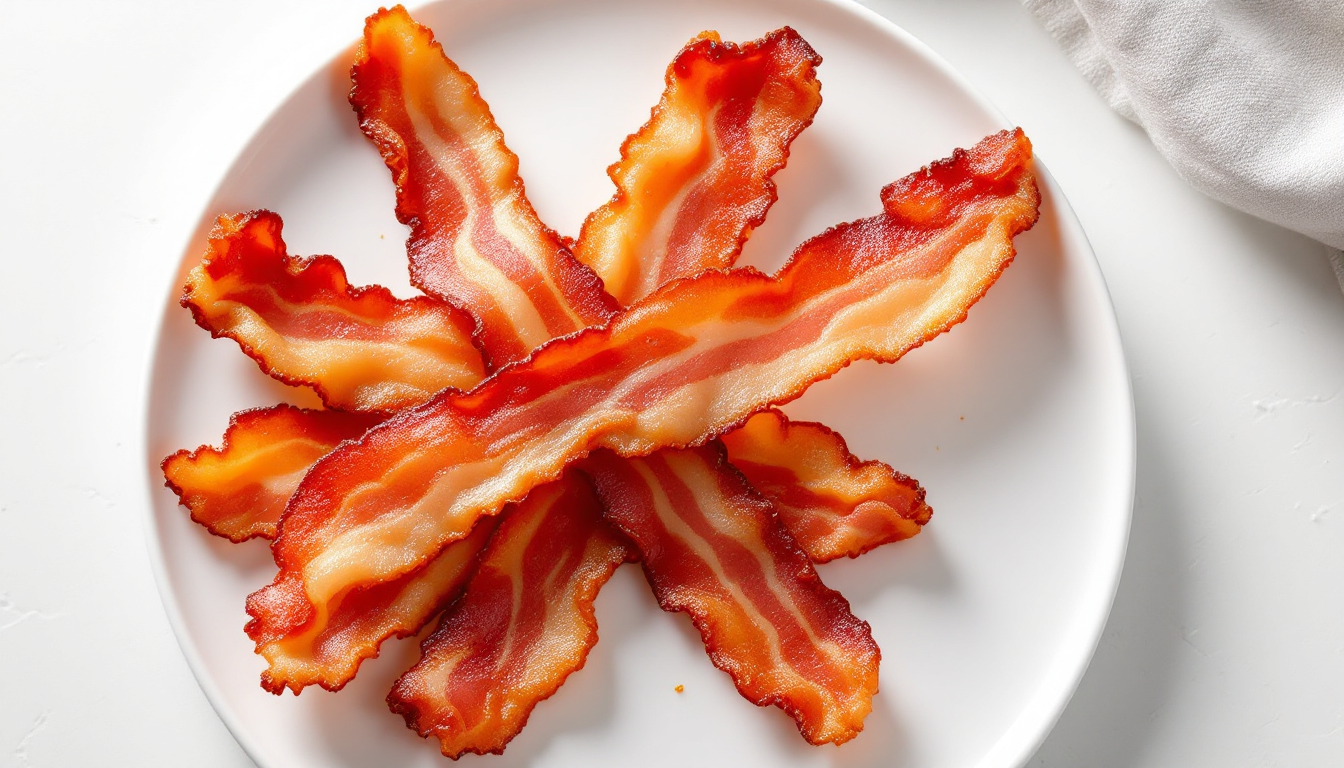
In October 2015, the International Agency for Research on Cancer (IARC) — the cancer research arm of the World Health Organization — made an announcement that sent shockwaves through the food industry and confused millions of consumers: processed meat was officially classified as a Group 1 carcinogen, the same category as tobacco smoke, asbestos, and plutonium. This was not a fringe opinion or a single alarming study. It was the conclusion of 22 international experts who reviewed more than 800 epidemiological studies examining the relationship between meat consumption and cancer across populations on every continent [1]. The evidence was, in the panel's assessment, sufficient and convincing. Processed meat causes cancer in humans.
What Is Processed Meat?
Before examining the evidence, it is important to define what processed meat actually includes. The WHO defines processed meat as any meat that has been transformed through salting, curing, fermentation, smoking, or other processes designed to enhance flavor or improve preservation. This category encompasses a wide range of everyday foods:
- Bacon — cured and often smoked pork belly
- Hot dogs and frankfurters — emulsified, cured meat products
- Sausages — including breakfast sausage, bratwurst, Italian sausage, and chorizo
- Deli meats — ham, turkey breast, roast beef, bologna, salami, and pastrami
- Jerky — dried and cured meat snacks
- Pepperoni, prosciutto, and pancetta
- Canned meats — corned beef, Spam, and Vienna sausages
The common thread is not the type of animal but the processing method. Fresh chicken breast is not processed meat, but smoked turkey deli slices are. A fresh pork chop is not processed, but a strip of bacon is. This distinction is critical because the health risks stem largely from what happens during processing, not from the meat itself.
The Carcinogen in Your Sandwich: How Nitrites Become Nitrosamines
The primary mechanism by which processed meat causes cancer involves a class of chemicals called N-nitroso compounds (NOCs), particularly nitrosamines. The pathway from deli counter to DNA damage works like this:
Step 1: Nitrites Are Added During Curing
Sodium nitrite is added to most processed meats during manufacturing. It serves multiple purposes — it prevents the growth of Clostridium botulinum (the bacterium that causes botulism), gives cured meat its characteristic pink color, and contributes to the distinctive "cured" flavor. Nearly all processed meats contain nitrites, whether added directly as sodium nitrite or indirectly through celery powder (which is naturally rich in nitrates that convert to nitrites).
Step 2: Nitrosamines Form During Cooking and Digestion
When nitrite-containing meat is cooked at high temperatures — particularly frying, grilling, or barbecuing — nitrites react with amino acids in the meat to form nitrosamines. This reaction also occurs in the acidic environment of the human stomach after consumption. Nitrosamines are potent carcinogens that have been shown to cause cancer in every animal species tested [2].
Step 3: DNA Damage Occurs in the Gut
Once formed, nitrosamines are metabolically activated in the body to produce reactive compounds called diazonium ions, which directly alkylate DNA — meaning they chemically modify the genetic code. These modifications, if not repaired by the body's DNA repair mechanisms, can cause the specific types of mutations found in colorectal tumors. Additionally, the heme iron present in red and processed meat catalyzes the formation of additional NOCs in the colon, amplifying the carcinogenic effect [3].
Colorectal Cancer: The Dose-Response Relationship
The strongest and most consistent evidence links processed meat to colorectal cancer — the third most common cancer worldwide and the second leading cause of cancer death. The IARC meta-analysis found a clear dose-response relationship: each 50-gram daily serving of processed meat increases colorectal cancer risk by approximately 18% [1]. To put that in tangible terms, 50 grams is roughly:
- Two slices of bacon
- One hot dog
- Two to three slices of deli meat
- One small sausage link
This is not an extreme amount. Many people consume this quantity daily in a single breakfast or lunch sandwich. And the 18% figure is per serving — meaning that someone who eats 100 grams daily (a breakfast of bacon plus a lunchtime deli sandwich) faces a roughly 36% increased risk compared to someone who eats no processed meat.
A 2019 umbrella review published in the European Journal of Epidemiology confirmed these findings across multiple cancer types, finding that high processed meat consumption was associated with a 15-20% increased risk of colorectal cancer and smaller but significant increases in stomach, pancreatic, and prostate cancer risk [4].
Beyond Cancer: Cardiovascular Disease
While the cancer link dominates headlines, the cardiovascular consequences of regular processed meat consumption may be equally concerning — and they operate through multiple independent mechanisms.
Sodium Overload
Processed meats are among the most sodium-dense foods in the modern diet. A single serving of deli meat can contain 500-800mg of sodium — roughly one-third of the recommended daily maximum. Chronic high sodium intake raises blood pressure, which is the single largest risk factor for stroke and a major contributor to heart failure, kidney disease, and heart attack. A 2010 meta-analysis in Circulation found that each 50g daily serving of processed meat was associated with a 42% higher risk of coronary heart disease — a far stronger association than that seen with unprocessed red meat [5].
Saturated Fat and Cholesterol
Many processed meats are high in saturated fat. Bacon, for instance, derives approximately 68% of its calories from fat, with a substantial portion being saturated. Regular consumption contributes to elevated LDL cholesterol levels, arterial plaque formation, and atherosclerosis — the progressive narrowing and hardening of arteries that underlies most cardiovascular events.
TMAO: The Gut Microbiome Connection
An emerging area of research has identified trimethylamine N-oxide (TMAO) as a potentially important mediator of cardiovascular risk from meat consumption. When bacteria in the gut digest carnitine and choline — compounds abundant in red and processed meat — they produce trimethylamine, which the liver then converts to TMAO. Elevated blood levels of TMAO have been associated with increased risk of atherosclerosis, heart attack, stroke, and death. Research from the Cleveland Clinic has shown that habitual meat eaters produce significantly more TMAO than vegetarians or vegans, even when given identical carnitine supplements [6].
Stomach Cancer and Other Malignancies
The IARC working group also found positive associations between processed meat and stomach (gastric) cancer, though the evidence was not considered as strong as for colorectal cancer. The mechanism is similar — nitrosamines formed from nitrites damage the gastric lining — and the risk appears particularly elevated in populations with high rates of Helicobacter pylori infection, which causes chronic stomach inflammation that may synergize with the carcinogenic effects of processed meat.
Emerging evidence also links processed meat consumption to increased risk of pancreatic cancer, breast cancer (particularly estrogen receptor-negative subtypes), and bladder cancer, though these associations require further investigation to establish causality.
Type 2 Diabetes: A Metabolic Risk
Large prospective cohort studies have consistently found that processed meat consumption is associated with a significantly elevated risk of type 2 diabetes. A meta-analysis of over 440,000 participants found that each daily 50g serving of processed meat was associated with a 51% increased risk of type 2 diabetes — one of the strongest dietary associations identified for this disease [5]. The mechanisms likely involve the combined effects of sodium (which impairs insulin sensitivity), nitrites and nitrosamines (which are toxic to pancreatic beta cells in animal models), advanced glycation end products formed during high-temperature cooking, and the chronic inflammatory state promoted by regular processed meat consumption.
All-Cause Mortality: The Bottom Line
Perhaps the most sobering statistic comes from studies examining overall mortality. The EPIC study — one of the largest prospective nutrition studies ever conducted, following over 448,000 European adults — found that high processed meat consumption was associated with a 44% increased risk of death from any cause during the study period, with the strongest associations seen for cardiovascular death and cancer death. The researchers estimated that 3.3% of all deaths could be prevented if all participants reduced their processed meat consumption to less than 20 grams per day [7].
The "Uncured" and "Nitrate-Free" Myth
In response to growing consumer awareness, the processed meat industry has introduced products labeled "uncured," "no nitrates added," or "naturally cured." These labels are, in most cases, functionally misleading. The vast majority of these products use celery powder, celery juice, or cherry powder as curing agents. These plant-based ingredients are extremely high in naturally occurring nitrates, which bacteria convert to nitrites during the curing process — producing the exact same chemical reactions and carcinogenic compounds as conventional sodium nitrite curing.
Testing has shown that "uncured" products frequently contain comparable or even higher levels of residual nitrite than their conventionally cured counterparts. From a cancer risk perspective, there is currently no scientific basis for considering these products safer.
Practical Guidance: Reducing Your Risk
The evidence does not require perfection — it requires informed choices. Here is a practical framework for reducing processed meat-related health risks:
- Reduce frequency first — If you currently eat processed meat daily, cutting back to once or twice per week meaningfully reduces cumulative exposure to nitrosamines, sodium, and other harmful compounds.
- Replace with whole protein sources — Fresh (unprocessed) poultry, fish, legumes, eggs, and tofu provide protein without the carcinogenic processing chemicals. Baked chicken breast on a sandwich replaces deli turkey with essentially zero cancer risk from nitrosamines.
- When you do eat processed meat, reduce portion size — The dose-response relationship means that smaller portions carry lower risk. Two strips of bacon carry less risk than six.
- Avoid high-temperature cooking — Frying and grilling processed meat at high temperatures maximizes nitrosamine formation. Lower-temperature cooking methods produce fewer carcinogenic compounds.
- Pair with protective foods — Vitamin C has been shown to inhibit nitrosamine formation in the stomach. Consuming processed meat alongside vitamin C-rich foods (citrus, bell peppers, tomatoes) or antioxidant-rich vegetables may partially reduce nitrosamine exposure.
- Read labels critically — Do not assume "uncured" or "nitrate-free" products are safer. Look at the ingredient list for celery powder, celery juice, or other nitrate-containing plant extracts.
- Prioritize children's diets — Children have decades of potential exposure ahead of them. Reducing processed meat in school lunches and family meals may have outsized long-term benefits.
The Bigger Picture
Processed meat occupies a unique position in the modern diet: it is ubiquitous, inexpensive, convenient, culturally embedded, and causally linked to multiple serious diseases. The WHO's Group 1 classification was not a headline-grabbing exaggeration — it was a sober assessment by leading cancer researchers that the evidence had crossed the threshold from suggestive to conclusive.
This does not mean that eating a strip of bacon will give you cancer. Cancer is a probabilistic disease, and individual risk depends on genetics, overall diet, lifestyle, and many other factors. But it does mean that the cumulative effect of daily processed meat consumption — sustained over years and decades — measurably and significantly increases your risk of colorectal cancer, heart disease, type 2 diabetes, and premature death. The science on this point is not ambiguous.
The choice of how to respond to this evidence is personal. But it should be an informed choice, not one made in ignorance of what the research consistently and clearly shows.
References
- Bouvard V, Loomis D, Guyton KZ, et al. "Carcinogenicity of consumption of red and processed meat." The Lancet Oncology. 2015;16(16):1599-1600.
- Scanlan RA. "Formation and occurrence of nitrosamines in food." Cancer Research. 1983;43(5 Suppl):2435s-2440s.
- Bastide NM, Pierre FHF, Corpet DE. "Heme iron from meat and risk of colorectal cancer: a meta-analysis and a review of the mechanisms involved." Cancer Prevention Research. 2011;4(2):177-184.
- Grosso G, et al. "Possible role of diet in cancer: systematic review and multiple meta-analyses of dietary patterns, lifestyle factors, and cancer risk." Nutrition Reviews. 2017;75(6):405-419.
- Micha R, Wallace SK, Mozaffarian D. "Red and processed meat consumption and risk of incident coronary heart disease, stroke, and diabetes mellitus: a systematic review and meta-analysis." Circulation. 2010;121(21):2271-2283.
- Koeth RA, et al. "Intestinal microbiota metabolism of L-carnitine, a nutrient in red meat, promotes atherosclerosis." Nature Medicine. 2013;19(5):576-585.
- Rohrmann S, et al. "Meat consumption and mortality — results from the European Prospective Investigation into Cancer and Nutrition." BMC Medicine. 2013;11:63.
This article is for educational purposes only and does not constitute medical advice. The information presented reflects current scientific evidence as of the date of publication. Consult your physician or a registered dietitian for personalized dietary guidance, especially if you have existing health conditions or cancer risk factors.
Frequently Asked Questions
Is processed meat really as dangerous as smoking?▼
How much processed meat is safe to eat?▼
What counts as processed meat?▼
Is turkey bacon or chicken sausage a safer alternative?▼
Do nitrate-free or uncured products eliminate the risk?▼
Medical Disclaimer: This article is for educational purposes only and does not constitute medical advice. Always consult your healthcare provider before making health decisions.