Hidden Mold in Your Home: The Silent Health Threat Behind Your Walls
Hidden mold growth behind walls, under floors, and in HVAC systems exposes millions of Americans to mycotoxins and allergenic spores linked to respiratory disease, immune suppression, and neurological symptoms that are often misdiagnosed.
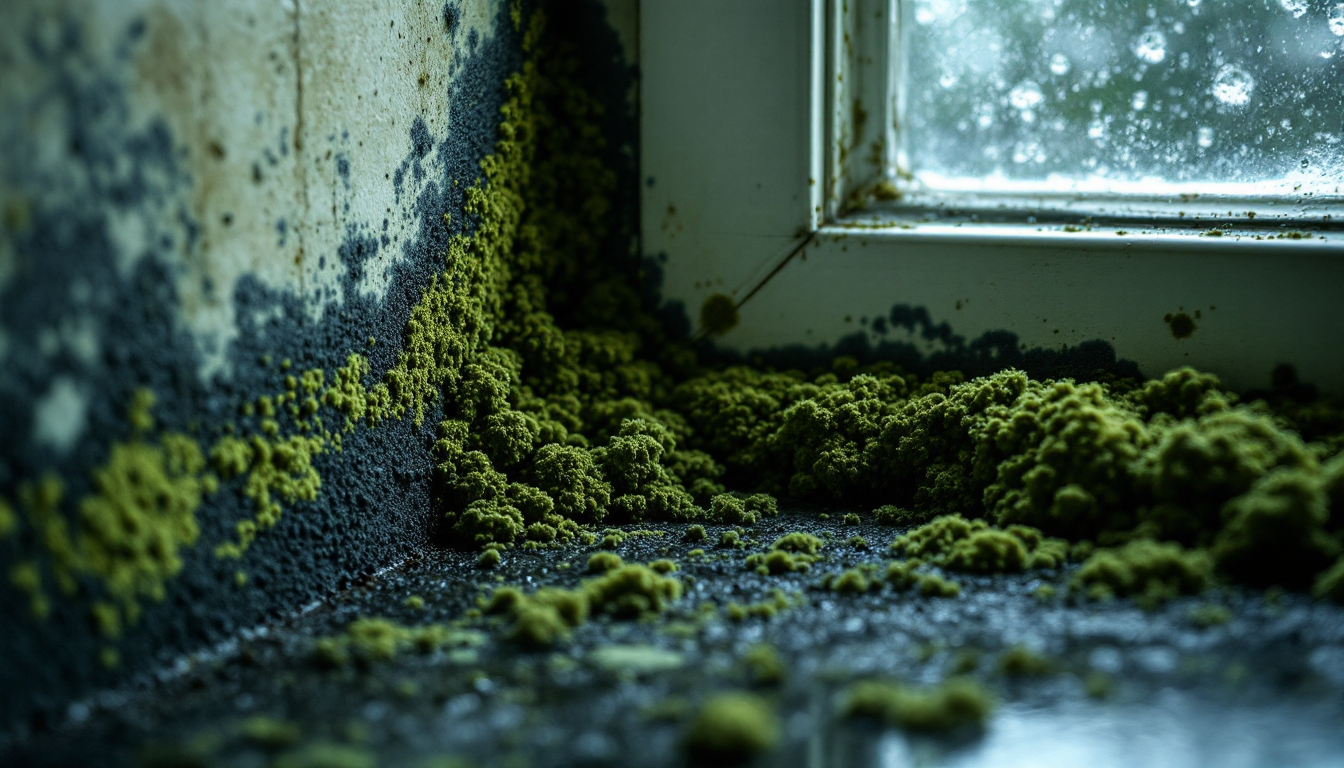
Mold is everywhere. In outdoor environments, fungal spores are a natural and essential part of the ecosystem, breaking down organic matter and recycling nutrients. But when mold colonizes indoor spaces — growing behind drywall, beneath flooring, inside air ducts, and around leaky plumbing — it becomes a significant and often underestimated health hazard. The World Health Organization estimates that dampness and mold affect 10-50% of indoor environments in Europe, North America, Australia, India, and Japan, contributing to respiratory disease, allergic illness, and a range of symptoms that are frequently misdiagnosed or dismissed [1].
This article explores the science of indoor mold exposure — the types of mold that colonize homes, the biological mechanisms through which they cause illness, the populations most at risk, and what you can do to detect, remediate, and prevent mold growth in your living environment.
The Biology of Indoor Mold
Molds are filamentous fungi that grow in multicellular thread-like structures called hyphae. They reproduce by releasing microscopic spores — typically 2-10 micrometers in diameter — that become airborne and can be inhaled deep into the respiratory tract. A single mold colony can release millions of spores per day, and these spores can remain viable for months or even years in dry conditions, ready to germinate whenever moisture becomes available.
Common Indoor Mold Species
Over 100 species of mold are commonly found in indoor environments, but several genera are particularly relevant to human health:
- Aspergillus: The most common indoor mold genus, with over 180 species. Aspergillus fumigatus is a major cause of invasive fungal infections in immunocompromised individuals. Aspergillus flavus produces aflatoxin, one of the most potent natural carcinogens known. Aspergillus niger (common black mold on bread and walls) can cause aspergillosis — a serious lung infection.
- Penicillium: Ubiquitous in water-damaged buildings, recognizable by its blue-green color. Produces various mycotoxins including ochratoxin A, which has nephrotoxic (kidney-damaging) and potentially carcinogenic properties.
- Stachybotrys chartarum: The infamous "toxic black mold" that thrives on wet cellulose materials (drywall, cardboard, ceiling tiles). Produces satratoxins — potent mycotoxins that can cause pulmonary hemorrhage, immune suppression, and neurological effects.
- Cladosporium: One of the most common outdoor and indoor molds, a major aeroallergen that can trigger allergic rhinitis and asthma exacerbations.
- Alternaria: Another common allergenic mold, frequently found in damp areas around showers, sinks, and window frames. A significant trigger for allergic asthma, particularly in children.
- Chaetomium: Often found alongside Stachybotrys in water-damaged buildings, produces chaetoglobosins — mycotoxins with cytotoxic properties.
What Mold Needs to Grow
Indoor mold growth requires four conditions: moisture (the critical factor), organic material to feed on (wood, drywall paper, carpet, dust), temperatures between 40-100°F (mold thrives at typical indoor temperatures), and oxygen. Of these, moisture is the limiting factor in most homes. When indoor relative humidity consistently exceeds 60%, or when water intrusion occurs through leaks, flooding, or condensation, mold growth can begin within 24-48 hours.
This is why mold is so often hidden: it grows wherever moisture accumulates unseen — inside wall cavities behind leaking pipes, beneath flooring after a slow leak, inside HVAC ductwork where condensation forms, behind wallpaper trapping moisture, in the dark spaces beneath sinks, and in poorly ventilated bathrooms and basements.
How Mold Makes You Sick: The Mechanisms
Allergic Responses
The most common health effect of mold exposure is allergic disease. Mold spores and fragments contain proteins that the immune system can recognize as foreign, triggering IgE-mediated hypersensitivity reactions. An estimated 10% of the general population and 25-30% of atopic (allergy-prone) individuals are sensitized to mold allergens [2].
Mold allergy manifests as allergic rhinitis (nasal congestion, sneezing, runny nose, postnasal drip), allergic conjunctivitis (itchy, watery, red eyes), allergic asthma (wheezing, cough, chest tightness, shortness of breath), and in some cases, allergic sinusitis (chronic sinus inflammation and infection). Symptoms typically correlate with spore exposure levels and may fluctuate with seasons, weather, or time spent in affected environments.
A particularly severe form of mold allergy is Allergic Bronchopulmonary Aspergillosis (ABPA), in which Aspergillus colonizes the airways and triggers an intense inflammatory response causing recurrent asthma exacerbations, bronchiectasis (permanent airway damage), and progressive lung function decline. ABPA affects an estimated 1-2% of asthma patients and up to 15% of cystic fibrosis patients.
Mycotoxin Exposure
Beyond allergenic proteins, many indoor molds produce mycotoxins — small, toxic secondary metabolites that serve ecological functions for the fungus (competing with other microorganisms) but can cause significant harm to humans. Mycotoxins can be inhaled on spores and fungal fragments, absorbed through skin contact, or ingested if contaminated dust settles on food.
The mycotoxins most relevant to indoor exposure include:
- Satratoxins (from Stachybotrys): potent inhibitors of protein synthesis that can damage respiratory epithelium, suppress immune function, and cause pulmonary hemorrhage at high exposures
- Ochratoxin A (from Aspergillus and Penicillium): nephrotoxic and classified as a possible human carcinogen (IARC Group 2B); detected in the blood of a significant percentage of the general population
- Trichothecenes (from multiple genera): a diverse family of toxins that inhibit protein synthesis, damage DNA, and suppress immune function
- Gliotoxin (from Aspergillus fumigatus): a potent immunosuppressant that can disable macrophages and neutrophils — the immune cells responsible for clearing fungal infections
A critical point about mycotoxins is that they can persist in indoor environments long after active mold growth has ceased. Dead mold and dried fungal fragments still contain mycotoxins that become airborne when disturbed. This is why simply killing mold with bleach (without physical removal) does not eliminate the health hazard [3].
Volatile Organic Compounds (MVOCs)
Mold metabolism produces microbial volatile organic compounds (MVOCs) — the chemicals responsible for the characteristic musty, earthy smell of mold-affected environments. These compounds include alcohols, ketones, aldehydes, and terpenes that can irritate mucous membranes and contribute to symptoms such as headache, dizziness, nausea, and fatigue.
MVOCs are often the first detectable sign of hidden mold — if you can smell mold, you are inhaling biologically active fungal chemicals, even if no mold is visible.
Inflammatory and Immune Effects
Beyond allergy and toxicity, mold exposure triggers innate immune activation — a nonspecific inflammatory response that does not require prior sensitization. Fungal cell wall components, particularly beta-glucans, activate pattern recognition receptors (Dectin-1, TLR-2) on macrophages and epithelial cells, triggering the release of pro-inflammatory cytokines including TNF-alpha, IL-1beta, and IL-6 [4].
Chronic activation of this inflammatory pathway may contribute to the systemic symptoms — fatigue, cognitive difficulty, muscle aches, and malaise — reported by many individuals with prolonged mold exposure. This mechanism operates independently of IgE-mediated allergy, meaning that individuals who test negative on standard allergy panels can still experience significant health effects from mold exposure.
Health Effects: What the Research Shows
Respiratory Disease
The strongest and most consistent evidence links indoor mold exposure to respiratory illness. A comprehensive meta-analysis by Fisk et al. published in Indoor Air found that building dampness and mold were associated with a 30-50% increase in respiratory and asthma-related health outcomes, including new-onset asthma, asthma exacerbations, current asthma symptoms, cough, wheeze, and upper respiratory symptoms [2].
The WHO's 2009 guidelines on indoor air quality concluded that "sufficient epidemiological evidence is available to show that the occupants of damp or mouldy buildings are at increased risk of respiratory symptoms, respiratory infections, and exacerbation of asthma" [1].
For children, mold exposure in the first years of life is a particularly potent risk factor for developing asthma. A prospective birth cohort study published in the Journal of Allergy and Clinical Immunology found that infants exposed to visible mold in their homes had a 2.4-fold increased risk of developing asthma by age 7 compared to those in mold-free homes.
Neurological Effects
A more controversial but growing body of evidence links chronic mold exposure to neurological and cognitive symptoms. Patients with chronic mold exposure frequently report difficulty concentrating, memory problems, word-finding difficulty, headaches, dizziness, light sensitivity, and mood changes.
A study by Kilburn (2003) using standardized neurocognitive testing found that individuals chronically exposed to indoor mold performed significantly worse on tests of reaction time, verbal recall, color discrimination, and grip strength compared to unexposed controls. These deficits correlated with duration of exposure and partially resolved after remediation and removal from the moldy environment [5].
Research published in Toxicology and Industrial Health by Empting (2009) proposed that mycotoxin exposure may cause neuroinflammation through activation of brain microglia (the central nervous system's immune cells), potentially explaining cognitive symptoms in mold-exposed individuals. However, this area remains under active investigation and some researchers consider the evidence preliminary.
Immune System Effects
Several mycotoxins, particularly gliotoxin and satratoxins, have documented immunosuppressive properties. Chronic mold exposure has been associated with increased susceptibility to infections, altered lymphocyte function, and changes in immunoglobulin levels in both occupational and residential studies [4].
Paradoxically, mold exposure can simultaneously cause immune suppression (through mycotoxin effects) and immune hyperactivation (through allergic sensitization and innate immune stimulation) — a dysregulated state that may underlie the complex symptom patterns seen in chronically exposed individuals.
Who Is Most Vulnerable?
While mold exposure can affect anyone, certain populations face significantly higher risk:
- Infants and young children: developing immune and respiratory systems, higher respiratory rate relative to body size, more time spent indoors
- Elderly individuals: declining immune function and higher prevalence of chronic respiratory disease
- Immunocompromised individuals: transplant recipients, HIV/AIDS patients, cancer patients on chemotherapy, and those taking immunosuppressive medications are at risk for invasive fungal infections (aspergillosis, mucormycosis) that can be life-threatening
- People with asthma: mold is one of the most potent asthma triggers, and mold-sensitized asthmatics have a significantly higher risk of severe, life-threatening asthma attacks
- People with allergies: atopic individuals are more likely to develop mold sensitization
- People with genetic susceptibility: variations in HLA-DR genes may affect the ability to clear mycotoxins and mount appropriate immune responses, potentially explaining why some individuals in the same household develop severe symptoms while others remain unaffected
Detection: Finding Hidden Mold
Because mold often grows in concealed locations, detection can be challenging. A systematic approach combines sensory assessment, moisture investigation, and testing:
Visual and Olfactory Inspection
- Check all visible surfaces for discoloration, fuzzy growth, water stains, or peeling/bubbling paint
- Pay particular attention to bathrooms, kitchens, basements, attics, around windows, and near plumbing
- A persistent musty odor — even without visible mold — strongly suggests hidden growth
Moisture Assessment
- Use a moisture meter (available at hardware stores for $20-40) to check drywall, wood, and other surfaces for elevated moisture content
- Check for condensation on windows, pipes, and cold surfaces
- Inspect areas with a history of water damage, leaks, or flooding
- Monitor indoor relative humidity — keep it below 50% (ideally 30-50%)
Professional Testing
- Air sampling: measures airborne spore concentrations and species composition; comparing indoor and outdoor samples can identify indoor mold sources
- Surface sampling: tape lifts, swabs, or bulk samples can identify mold species growing on surfaces
- ERMI testing (Environmental Relative Moldiness Index): a DNA-based test developed by the EPA that provides a standardized assessment of mold contamination
- Thermal imaging: infrared cameras can detect moisture behind walls and in concealed spaces by identifying temperature differentials
Remediation: Doing It Right
Effective mold remediation requires addressing both the mold growth and the underlying moisture problem. Simply killing mold without removing it and fixing the moisture source guarantees recurrence.
Key Principles
- Fix the water problem first: repair leaks, improve drainage, address condensation, improve ventilation
- Contain the work area: seal off the affected space with plastic sheeting to prevent spore spread during remediation
- Remove contaminated materials: porous materials (drywall, carpet, insulation) that are heavily mold-affected cannot be effectively cleaned and must be removed and replaced
- Clean non-porous surfaces: hard surfaces can be cleaned with detergent and water; allow to dry completely
- HEPA vacuum: use HEPA-filtered vacuuming to capture settled spores and fragments
- Verify success: post-remediation air testing confirms that spore levels have returned to normal background levels
Professional vs. DIY
The EPA recommends professional remediation for areas exceeding 10 square feet, HVAC contamination, hidden mold behind walls, or contamination from Category 3 water (sewage). Professionals follow industry standards (IICRC S520) that include proper containment, negative air pressure, HEPA air scrubbing, and post-remediation verification [6].
Prevention: Keeping Mold Out
Prevention is far more effective and economical than remediation. Key strategies include:
- Control indoor humidity: maintain 30-50% relative humidity using dehumidifiers, air conditioning, and ventilation
- Ventilate moisture sources: use exhaust fans in bathrooms (run for 20+ minutes after showering) and kitchens; ensure dryers vent outside
- Fix leaks immediately: any water intrusion should be addressed within 24-48 hours to prevent mold establishment
- Ensure proper drainage: grade soil away from foundations, maintain gutters and downspouts, waterproof basements
- Use mold-resistant materials: in renovations, choose mold-resistant drywall, paint, and insulation in moisture-prone areas
- Maintain HVAC systems: change filters regularly, inspect for condensation, clean drip pans, and consider UV germicidal lights in ductwork
- Monitor after water events: after any flood, leak, or plumbing failure, thoroughly dry affected areas within 24-48 hours and monitor for mold development
Mold is a preventable health hazard. By controlling moisture, ensuring proper ventilation, and responding promptly to water intrusion, homeowners can eliminate the conditions that allow this silent threat to take hold. If you suspect mold exposure is affecting your health, consult both a healthcare provider experienced in environmental medicine and a qualified mold inspector — addressing both the medical and environmental aspects of the problem is essential for recovery.
References
- World Health Organization. "WHO Guidelines for Indoor Air Quality: Dampness and Mould." WHO Regional Office for Europe. 2009.
- Fisk WJ, Lei-Gomez Q, Mendell MJ. "Meta-analyses of the associations of respiratory health effects with dampness and mold in homes." Indoor Air. 2007;17(4):284-296. doi:10.1111/j.1600-0668.2007.00475.x
- Bush RK, Portnoy JM, Saxon A, et al. "The medical effects of mold exposure." Journal of Allergy and Clinical Immunology. 2006;117(2):326-333.
- Ratnaseelan AM, Tsilioni I, Theoharides TC. "Effects of Mycotoxins on Neuropsychiatric Symptoms and Immune Processes." Clinical Therapeutics. 2018;40(6):903-917.
- Kilburn KH. "Indoor mold exposure associated with neurobehavioral and pulmonary impairment: a preliminary report." Archives of Environmental Health. 2003;58(7):390-398.
- IICRC. "S520 Standard for Professional Mold Remediation." Institute of Inspection, Cleaning and Restoration Certification. 4th Edition. 2015.
- Mendell MJ, Mirer AG, Cheung K, et al. "Respiratory and allergic health effects of dampness, mold, and dampness-related agents: a review of the epidemiologic evidence." Environmental Health Perspectives. 2011;119(6):748-756.
This article is intended for educational purposes and does not constitute medical advice. If you suspect mold-related health problems, consult a qualified healthcare professional for proper evaluation and treatment.
Frequently Asked Questions
What are the most common health symptoms of mold exposure?▼
How can I tell if there is hidden mold in my home?▼
Is black mold really more dangerous than other types?▼
Can I remove mold myself, or do I need professional remediation?▼
Medical Disclaimer: This article is for educational purposes only and does not constitute medical advice. Always consult your healthcare provider before making health decisions.