The Seed Oil Debate: Are Vegetable Oils Actually Inflammatory and Dangerous?
Social media influencers claim seed oils are 'toxic' and cause inflammation, but the scientific evidence tells a more nuanced story. Here's what randomized controlled trials and major health organizations actually say about vegetable oils.
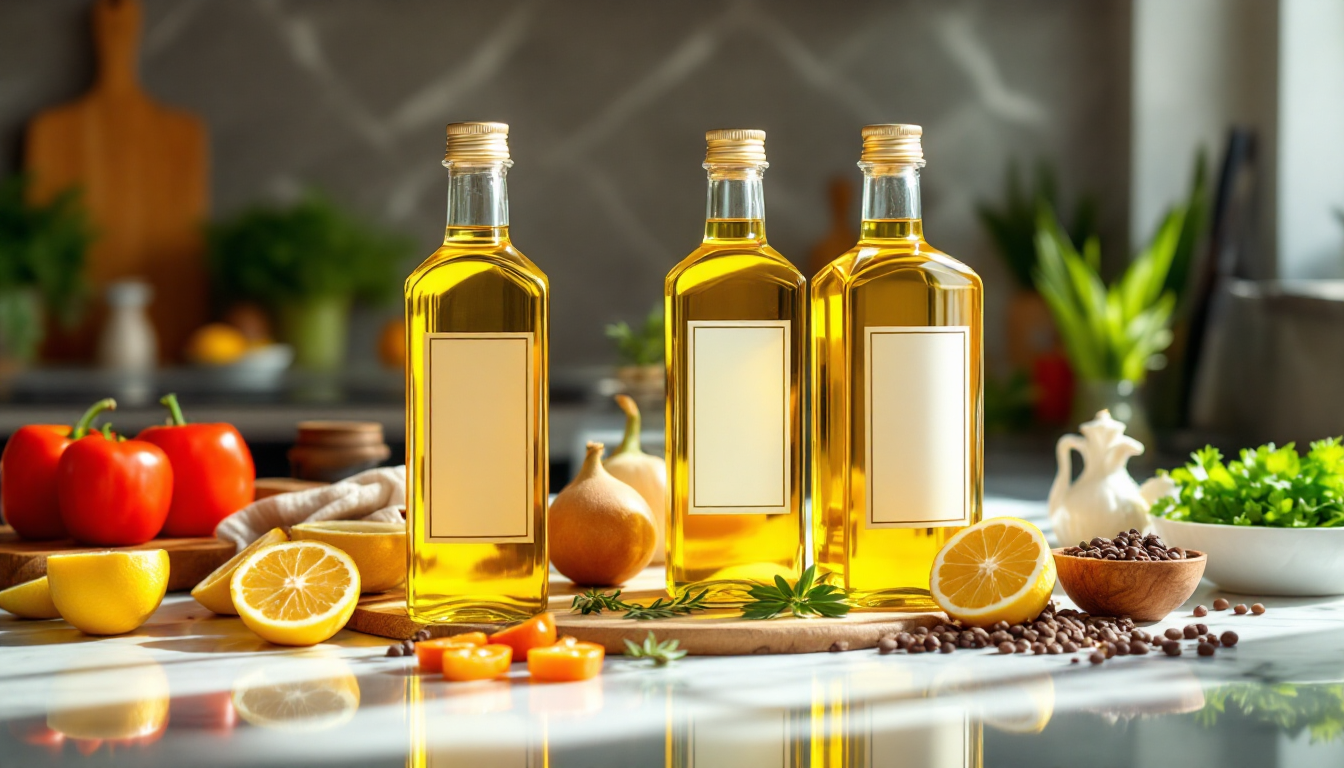
Over the past few years, a health claim has gone viral across social media: seed oils are toxic, inflammatory, and responsible for a wide range of modern diseases. Influencers warn their followers to avoid canola oil, soybean oil, sunflower oil, corn oil, and other common vegetable oils at all costs. Some call them "the hateful eight." Others compare them to poison. The message is clear and alarming — but is it accurate? The answer, according to the scientific literature, is considerably more complicated than a TikTok video can convey.
What Are Seed Oils?
The term "seed oils" refers to oils extracted from the seeds of plants, as opposed to oils derived from the fruit (like olive oil or coconut oil) or from animal sources (like butter or lard). The most common seed oils in the modern food supply include:
- Soybean oil — the most widely consumed oil in the United States
- Canola oil (rapeseed oil) — widely used in both cooking and food manufacturing
- Corn oil — common in processed foods and frying
- Sunflower oil — popular in European and Asian cooking
- Safflower oil — used in both cooking and industrial applications
- Cottonseed oil — frequently found in packaged snacks and restaurant fryers
- Grapeseed oil — marketed as a health-conscious cooking oil
- Rice bran oil — common in Asian cuisine
These oils share a key characteristic: they are high in polyunsaturated fatty acids (PUFAs), specifically linoleic acid, an omega-6 fatty acid. This is the molecular feature at the center of the controversy.
The Historical Context: How Seed Oils Became Ubiquitous
Seed oils were not a significant part of the human diet until the early 20th century. Before industrial processing, humans cooked with animal fats — butter, lard, tallow — and with fruit-derived oils like olive oil in Mediterranean regions. The shift began in the early 1900s when Procter & Gamble introduced Crisco, a partially hydrogenated cottonseed oil product, as a cheaper alternative to lard.1
The transformation accelerated dramatically in the mid-20th century. Following the diet-heart hypothesis — the theory that dietary saturated fat raises cholesterol and causes heart disease — public health authorities in the 1960s and 1970s began recommending that Americans replace saturated fats with polyunsaturated vegetable oils. Soybean oil consumption in the United States increased more than 1,000-fold between 1909 and 1999.2 Today, soybean oil alone accounts for roughly 7% of all calories consumed in America.
Critics of seed oils point to this dramatic increase and note that it coincides with rising rates of obesity, diabetes, and other chronic diseases. This temporal correlation is central to the anti-seed-oil argument — but as any scientist will tell you, correlation is not causation.
The Omega-6 to Omega-3 Ratio Argument
The most scientifically grounded criticism of seed oils centers on the omega-6 to omega-3 fatty acid ratio. Both omega-6 (primarily linoleic acid) and omega-3 (primarily alpha-linolenic acid, EPA, and DHA) are essential fatty acids that the body cannot manufacture and must obtain from food. Both serve critical biological functions.
However, omega-6 and omega-3 fatty acids compete for the same enzymatic pathways. Omega-6 fatty acids are precursors to arachidonic acid, which can be converted into pro-inflammatory eicosanoids (prostaglandins, thromboxanes, leukotrienes). Omega-3 fatty acids, by contrast, are precursors to anti-inflammatory and inflammation-resolving mediators called resolvins and protectins.3
The ancestral human diet is estimated to have had an omega-6 to omega-3 ratio of approximately 1:1 to 4:1. The modern Western diet, heavily influenced by seed oil consumption, has shifted this ratio to approximately 15:1 to 20:1. Dr. Artemis Simopoulos, a researcher at the Center for Genetics, Nutrition and Health, has argued that this dramatic shift promotes a chronic pro-inflammatory state that contributes to cardiovascular disease, cancer, autoimmune conditions, and metabolic dysfunction.4
What the Clinical Evidence Actually Shows
The ratio hypothesis is intellectually compelling, but the clinical evidence is less straightforward than its proponents suggest. Several important findings complicate the narrative:
- Linoleic acid does not consistently raise inflammatory markers in controlled trials. A 2012 systematic review and meta-analysis published in the American Journal of Clinical Nutrition, analyzing 15 randomized controlled trials, found that increasing linoleic acid intake did not increase concentrations of arachidonic acid in the blood and did not raise inflammatory markers including C-reactive protein, TNF-alpha, or IL-6.5
- Replacing saturated fat with omega-6 PUFAs reduces cardiovascular events. A 2010 meta-analysis in PLOS Medicine pooling data from eight randomized trials involving over 13,000 participants found that replacing 5% of energy from saturated fat with omega-6 PUFAs reduced the risk of coronary heart disease events by 10% and coronary heart disease deaths by 13%.6
- The absolute intake of omega-3 may matter more than the ratio. Populations with high omega-3 intake (such as the Japanese, who consume large quantities of fish) have low rates of cardiovascular disease even when their omega-6 intake is not particularly low. This suggests that ensuring adequate omega-3 consumption may be more important than restricting omega-6.7
This does not mean the ratio argument has no merit. It means the picture is more nuanced than "seed oils cause inflammation, full stop."
The Oxidation Problem: When Heat Meets PUFAs
A second and arguably more scientifically robust concern about seed oils relates to oxidative stability. Polyunsaturated fatty acids have multiple double bonds in their chemical structure, and each double bond is a point of vulnerability to oxidation. When PUFAs are exposed to heat, light, or oxygen, they can degrade into a range of harmful compounds including:
- Aldehydes (including 4-hydroxynonenal and malondialdehyde) — reactive compounds linked to oxidative stress, DNA damage, and inflammatory signaling
- Polar compounds — degradation products that increase with repeated heating
- Trans fatty acids — formed in small quantities during high-heat processing of PUFAs
A 2020 study published in Acta Scientific Nutritional Health analyzed multiple cooking oils heated to frying temperatures and found that polyunsaturated oils like sunflower and soybean oil produced significantly more aldehyde compounds than monounsaturated oils like olive oil or saturated fats like coconut oil.8
This is a legitimate concern — particularly for commercial deep-frying operations that reuse the same oil for hours or days. In these settings, oxidation products accumulate to levels that may genuinely pose health risks. However, the relevance to normal home cooking is less clear. A home cook using fresh canola oil for a stir-fry is not generating the same level of oxidation products as a fast-food restaurant reusing fryer oil for an entire day.
What the American Heart Association Says
The American Heart Association (AHA) has reviewed the evidence extensively and continues to recommend replacing saturated fats with unsaturated fats — including polyunsaturated fats from vegetable oils — as a strategy for reducing cardiovascular disease risk. In a 2017 Presidential Advisory published in Circulation, the AHA specifically endorsed soybean oil, corn oil, and other sources of polyunsaturated fat as heart-healthy alternatives to butter, lard, and other saturated fat sources.9
The AHA's position is based on decades of randomized controlled trials — the gold standard of clinical evidence. While social media critics often dismiss the AHA as beholden to industry interests, the organization's recommendations are consistent with those of the World Health Organization, the European Society of Cardiology, and virtually every major national dietary guideline in the developed world.
That said, the AHA's guidance does have a notable limitation: it focuses primarily on the saturated-versus-unsaturated fat comparison, and less on the distinctions between different types of unsaturated fats (monounsaturated versus polyunsaturated, high-oleic versus high-linoleic varieties) or on the effects of oxidation during cooking.
Social Media Claims vs. Peer-Reviewed Evidence
Many of the most viral claims about seed oils do not withstand scrutiny when measured against the clinical literature:
Claim: "Seed oils cause obesity"
Some influencers point to animal studies — particularly one in which mice fed a high-soybean-oil diet developed obesity and metabolic dysfunction — as evidence that seed oils drive weight gain. However, these rodent studies typically use doses of linoleic acid that far exceed normal human consumption, and their applicability to human metabolism is limited. Human clinical trials have not shown that seed oil consumption causes weight gain independent of total caloric intake.10
Claim: "Seed oils are in every processed food, so they must be the problem"
Seed oils are indeed ubiquitous in ultra-processed foods. But ultra-processed foods also contain refined sugars, refined starches, artificial additives, emulsifiers, and are engineered for overconsumption. Isolating seed oils as the singular harmful component ignores the broader context of what makes ultra-processed foods unhealthy. The most rigorous dietary studies suggest that the processing matrix matters more than any single ingredient.11
Claim: "Our ancestors never ate seed oils, so they must be unnatural"
The appeal to ancestral diets is rhetorically powerful but scientifically weak. Our ancestors also never ate refined sugar, pasteurized dairy, domesticated wheat, or supplemental vitamins — all of which can be part of a healthy modern diet. Novelty alone does not make a food harmful; evidence of harm does.
Where the Critics Have a Point
Despite the overstatements on social media, the seed oil skeptics are not entirely wrong. Several of their concerns have legitimate scientific foundations:
- The omega-3 deficit is real. Most Western diets are genuinely deficient in omega-3 fatty acids, and increasing omega-3 intake from fatty fish, flaxseed, chia seeds, and walnuts is one of the most well-supported dietary interventions for reducing inflammation and cardiovascular risk.
- Oil quality matters. Heavily refined, repeatedly heated, and oxidized oils do contain harmful compounds. Choosing fresh, minimally processed oils and avoiding reuse at high temperatures is sound advice.
- Ultra-processed food consumption is a legitimate problem. To the extent that seed oil avoidance leads people to eat fewer ultra-processed foods and more whole foods, it may produce genuine health benefits — even if the mechanism is not specifically about the oils themselves.
- Monounsaturated fats may be superior. Extra virgin olive oil, which is high in monounsaturated oleic acid and rich in polyphenol antioxidants, has a stronger evidence base for health benefits than any seed oil. The Mediterranean diet — which relies heavily on olive oil rather than seed oils — is the most well-studied and consistently beneficial dietary pattern in the world.12
Practical Guidance: A Balanced Approach to Cooking Oils
Rather than adopting an all-or-nothing stance, the evidence supports a practical, nuanced approach:
Best Choices for Everyday Cooking
- Extra virgin olive oil — Use as your primary cooking fat. Despite myths to the contrary, EVOO is stable at normal cooking temperatures and its polyphenols provide additional antioxidant protection. It has the strongest evidence base of any cooking fat for cardiovascular and overall health benefits.
- Avocado oil — Good for higher-heat cooking. Choose reputable brands, as studies have found widespread adulteration and mislabeling in the avocado oil market.
Reasonable Choices in Moderation
- High-oleic sunflower or safflower oil — These varieties have been bred to contain more monounsaturated fat and less polyunsaturated fat, making them more oxidatively stable.
- Canola oil — Has a relatively favorable fatty acid profile (low in saturated fat, moderate in omega-3s) and is affordable. Acceptable for occasional use.
Use Sparingly
- Soybean oil, corn oil, cottonseed oil, generic "vegetable oil" — These are the highest in omega-6 linoleic acid and most prone to oxidation. While not toxic in moderate amounts, they offer no unique nutritional benefits and are easy to replace with better options.
- Coconut oil — Despite its popularity in wellness circles, coconut oil is approximately 82% saturated fat. The AHA recommends against its use as a primary cooking fat.
Universal Principles
- Never reuse frying oil multiple times. Oxidation products accumulate with each heating cycle.
- Store oils in dark, cool places and use them before they go rancid. Rancid oils have a distinctly unpleasant smell and taste.
- Increase your omega-3 intake. Eat fatty fish (salmon, sardines, mackerel) twice a week, and incorporate flaxseed, chia seeds, and walnuts into your diet.
- Focus on the whole diet, not a single ingredient. The most reliable predictors of health are overall dietary patterns — high vegetable intake, adequate fiber, minimal ultra-processed food, and moderate caloric intake — not the presence or absence of any single oil.
The Bottom Line
The seed oil debate is a case study in how health information gets distorted as it moves from scientific journals to social media. The underlying concerns — excessive omega-6 consumption, oxidation during cooking, and the dominance of ultra-processed foods in the modern diet — are real and worth addressing. But the conclusion that seed oils are "toxic" or that they are a primary driver of modern disease is not supported by the weight of clinical evidence.
The most evidence-based approach is not to fear seed oils, but to prioritize better fats: use extra virgin olive oil as your daily cooking oil, eat fatty fish regularly for omega-3s, minimize ultra-processed foods regardless of their oil content, and stop reusing frying oil. These are actionable steps grounded in decades of randomized controlled trials — not in social media trends.
References
- Moss, M. "The Extraordinary Science of Addictive Junk Food." The New York Times Magazine, 2013. Historical context on industrial food processing.
- Blasbalg, T. L., et al. "Changes in Consumption of Omega-3 and Omega-6 Fatty Acids in the United States During the 20th Century." American Journal of Clinical Nutrition, vol. 93, no. 5, 2011, pp. 950–962.
- Serhan, C. N., and Petasis, N. A. "Resolvins and Protectins in Inflammation Resolution." Chemical Reviews, vol. 111, no. 10, 2011, pp. 5922–5943.
- Simopoulos, A. P. "The Importance of the Ratio of Omega-6/Omega-3 Essential Fatty Acids." Biomedicine & Pharmacotherapy, vol. 56, no. 8, 2002, pp. 365–379.
- Johnson, G. H., and Fritsche, K. "Effect of Dietary Linoleic Acid on Markers of Inflammation in Healthy Persons: A Systematic Review of Randomized Controlled Trials." Journal of the Academy of Nutrition and Dietetics, vol. 112, no. 7, 2012, pp. 1029–1041.
- Mozaffarian, D., Micha, R., and Wallace, S. "Effects on Coronary Heart Disease of Increasing Polyunsaturated Fat in Place of Saturated Fat: A Systematic Review and Meta-Analysis of Randomized Controlled Trials." PLOS Medicine, vol. 7, no. 3, 2010, e1000252.
- Iso, H., et al. "Intake of Fish and Omega-3 Fatty Acids and Risk of Stroke in Women." JAMA, vol. 285, no. 3, 2001, pp. 304–312.
- Grootveld, M., et al. "Health Effects of Oxidized Heated Oils." Acta Scientific Nutritional Health, vol. 4, no. 6, 2020, pp. 1–42.
- Sacks, F. M., et al. "Dietary Fats and Cardiovascular Disease: A Presidential Advisory From the American Heart Association." Circulation, vol. 136, no. 3, 2017, e1–e23.
- Ramsden, C. E., et al. "Use of Dietary Linoleic Acid for Secondary Prevention of Coronary Heart Disease and Death: Evaluation of Recovered Data From the Sydney Diet Heart Study and Updated Meta-Analysis." BMJ, vol. 346, 2013, e8707.
- Hall, K. D., et al. "Ultra-Processed Diets Cause Excess Calorie Intake and Weight Gain: An Inpatient Randomized Controlled Trial of Ad Libitum Food Intake." Cell Metabolism, vol. 30, no. 1, 2019, pp. 67–77.
- Estruch, R., et al. "Primary Prevention of Cardiovascular Disease With a Mediterranean Diet Supplemented With Extra-Virgin Olive Oil or Nuts." New England Journal of Medicine, vol. 378, no. 25, 2018, e34.
Medical Disclaimer: This article is intended for informational and educational purposes only and does not constitute medical advice. The information presented reflects current scientific literature as of the date of publication and may be subject to revision as new research emerges. Individual dietary needs vary. Always consult a qualified healthcare professional before making significant changes to your diet, especially if you have existing health conditions or are taking medications.
Frequently Asked Questions
Are seed oils actually toxic?▼
What is the omega-6 to omega-3 ratio and does it matter?▼
Which cooking oils are the healthiest?▼
Does cooking with seed oils create harmful compounds?▼
Should I stop eating all foods that contain seed oils?▼
Medical Disclaimer: This article is for educational purposes only and does not constitute medical advice. Always consult your healthcare provider before making health decisions.