Sleep Deprivation Is Destroying Your Immune System: The Science of Why Rest Matters More Than You Think
Sleep deprivation cripples your immune system, making you 4x more likely to catch a cold and reducing vaccine effectiveness by 50%. Learn the science of sleep and immunity.
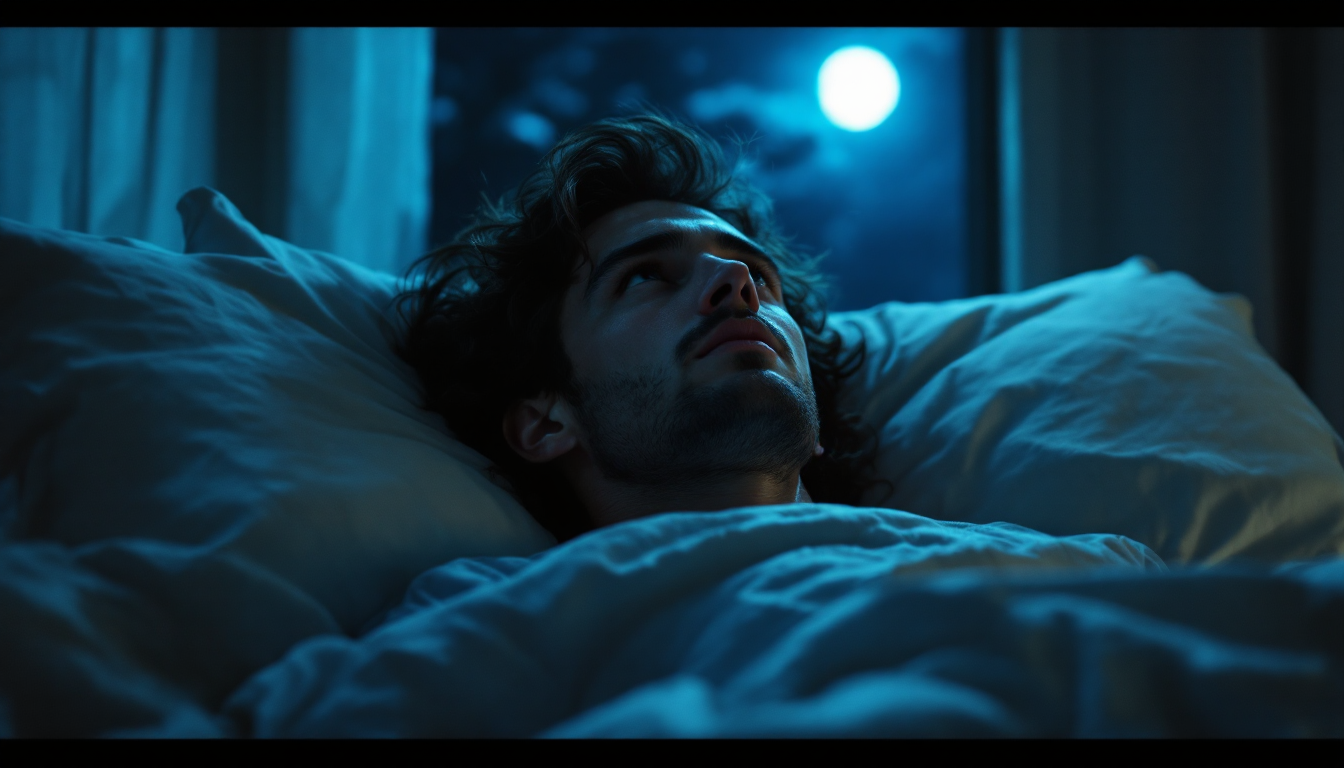
Introduction: The Most Neglected Pillar of Health
In a culture that glorifies productivity and treats sleep as optional, millions of people are unknowingly dismantling their body's most sophisticated defense system every single night. While nutrition and exercise dominate health conversations, sleep — the single behavior that occupies one-third of our lives — receives far less attention than it deserves. And the consequences are far more serious than feeling groggy the next day.
Over the past two decades, sleep science has revealed that the immune system and sleep are locked in a bidirectional relationship of extraordinary complexity. Sleep regulates immune function at virtually every level, from the production and deployment of immune cells to the formation of immunological memory after vaccination. When sleep is disrupted, the immune system does not simply slow down — it malfunctions, leaving you vulnerable to infections, reducing your body's ability to fight cancer, and creating a state of chronic inflammation that accelerates aging and disease.
This article examines the scientific evidence linking sleep deprivation to immune dysfunction, the specific biological mechanisms involved, and the practical steps you can take to protect both your sleep and your immune health.
How Sleep Regulates Immune Function
The immune system is not a single entity but a vast network of cells, proteins, and signaling molecules that must be precisely coordinated to protect the body. Sleep plays a central role in this coordination through several mechanisms.
T-Cell Activation and Adhesion
T-cells are among the most important players in adaptive immunity — the branch of the immune system that targets specific pathogens and forms long-lasting memory against them. For T-cells to function, they must physically adhere to infected cells using proteins called integrins. A landmark study published in the Journal of Experimental Medicine demonstrated that sleep enhances T-cell integrin activation, while stress hormones that rise during sleep deprivation (such as adrenaline and prostaglandins) suppress it.1
In practical terms, this means that well-rested T-cells are stickier — more capable of latching onto virus-infected cells and destroying them. Sleep-deprived T-cells are less adhesive and therefore less effective at clearing infections.
Cytokine Production
Cytokines are signaling proteins that coordinate the immune response. Some cytokines promote inflammation (pro-inflammatory), while others resolve it (anti-inflammatory). During sleep, particularly during deep slow-wave sleep, the body produces elevated levels of key pro-inflammatory cytokines such as interleukin-1 (IL-1), interleukin-6 (IL-6), and tumor necrosis factor-alpha (TNF-alpha). These cytokines are essential for mounting an effective immune response against pathogens.2
This is why you feel sleepy when you are sick — your body is deliberately increasing sleep drive to support cytokine production and immune function. When you fight this impulse and stay awake, you are actively interfering with your body's infection-fighting strategy.
Natural Killer Cell Activity
Natural killer (NK) cells are a critical component of the innate immune system. They patrol the body and destroy cells that have been infected by viruses or that have become cancerous. NK cells do not need prior exposure to a pathogen to act — they respond immediately, providing a first line of defense while the adaptive immune system gears up.
Sleep deprivation dramatically reduces NK cell activity. A study led by Dr. Michael Irwin at UCLA found that a single night of sleep restricted to 4 hours reduced NK cell activity by approximately 70% the following day.3 This is not a subtle decline — it represents a near-complete suppression of one of the body's primary tumor surveillance mechanisms.
The Rhinovirus Study: 4.2 Times More Likely to Get Sick
One of the most compelling demonstrations of sleep's impact on infection susceptibility came from a study conducted by Dr. Aric Prather and colleagues at the University of California, San Francisco. The researchers recruited 164 healthy volunteers, monitored their sleep duration using wrist actigraphy for one week, and then deliberately exposed them to rhinovirus (the common cold virus) through nasal drops.4
The results were dramatic and dose-dependent:
- Participants who slept fewer than 5 hours per night were 4.5 times more likely to develop a cold than those who slept 7 or more hours.
- Those sleeping 5 to 6 hours per night were 4.2 times more likely to become infected.
- Those sleeping 6 to 7 hours were still at elevated risk, though the effect was smaller.
The study controlled for pre-existing antibody levels, stress, body mass index, alcohol use, smoking, and other confounders. Sleep duration emerged as the single strongest predictor of infection susceptibility — more powerful than age, stress level, or baseline health.
Sleep and Vaccine Effectiveness
If sleep deprivation makes you more susceptible to infection, it stands to reason that it would also impair the body's ability to build immunity through vaccination. Multiple studies have confirmed this hypothesis.
A study published in Sleep examined antibody responses to influenza vaccination in a group of healthy adults. Participants who slept fewer than 6 hours per night in the week surrounding vaccination produced less than 50% of the antibody response compared to participants who slept 7 or more hours. This meant that poorly-sleeping individuals effectively received half the benefit of the vaccine.5
Similar findings have been reported for:
- Hepatitis A vaccine: Sleep-restricted participants showed significantly lower antibody titers at 4-week follow-up.
- Hepatitis B vaccine: Short sleepers were far more likely to fail to develop protective antibody levels, even after the standard three-dose series.
- COVID-19 vaccines: Emerging data suggests that chronic short sleep reduces antibody production and T-cell responses following mRNA vaccination.
These findings have significant public health implications. Vaccination campaigns may be less effective in sleep-deprived populations, and individuals could optimize their vaccine response simply by ensuring adequate sleep in the days surrounding immunization.
Chronic Sleep Debt and Cancer Risk
The relationship between sleep deprivation and cancer is one of the most alarming findings in modern sleep science. In 2007, the World Health Organization's International Agency for Research on Cancer (IARC) classified night shift work involving circadian disruption as a Group 2A probable carcinogen — placing it in the same category as certain pesticides and heavy metals.6
The evidence supporting this classification includes:
- Epidemiological data: Large cohort studies have found that long-term night shift workers have elevated rates of breast cancer, prostate cancer, colorectal cancer, and other malignancies. A meta-analysis of over 2 million participants found a statistically significant increase in cancer risk among night shift workers.
- Melatonin suppression: Nighttime light exposure and sleep disruption suppress the production of melatonin, a hormone with potent anti-cancer properties. Melatonin inhibits tumor growth, promotes apoptosis (programmed cell death) of cancer cells, and acts as an antioxidant that protects DNA from damage.
- Impaired DNA repair: Sleep is a critical window for DNA repair processes. During deep sleep, the body up-regulates genes involved in identifying and correcting DNA damage. Chronic sleep deprivation allows DNA errors to accumulate, increasing the probability of cancerous mutations.
- NK cell suppression: As discussed above, sleep deprivation dramatically reduces NK cell activity. Given that NK cells are responsible for identifying and destroying pre-cancerous and cancerous cells, chronic suppression of NK function effectively disables a key cancer surveillance system.
Cardiovascular Consequences
Sleep deprivation does not only weaken the immune system's defenses against external threats — it also promotes the internal inflammatory processes that drive cardiovascular disease. Chronic short sleep is associated with:
- Elevated C-reactive protein (CRP): A biomarker of systemic inflammation that is strongly predictive of cardiovascular events.
- Increased blood pressure: Even modest sleep restriction (6 hours versus 8 hours) elevates resting blood pressure, and over time, this increases the risk of hypertension, stroke, and heart failure.
- Accelerated atherosclerosis: A study published in Nature found that sleep fragmentation in mice accelerated the development of atherosclerotic plaques by altering immune cell behavior in blood vessel walls.
- Arrhythmias: Sleep deprivation increases sympathetic nervous system activation, raising the risk of atrial fibrillation and other cardiac rhythm disturbances.
The cardiovascular effects of sleep deprivation are vividly illustrated by a natural experiment that occurs twice a year: the daylight saving time transition. In the spring, when clocks move forward and the population collectively loses one hour of sleep, hospitals report a measurable spike in heart attacks the following Monday. In the autumn, when an hour is gained, heart attacks decline.7
Metabolic Effects
Sleep deprivation disrupts metabolic health through multiple pathways that also interact with immune function:
- Insulin resistance: Just four nights of sleeping 4.5 hours reduces insulin sensitivity by 30%, pushing the body toward a pre-diabetic state. This drives chronic inflammation and impairs immune cell energy metabolism.
- Appetite dysregulation: Sleep loss increases ghrelin (hunger hormone) and decreases leptin (satiety hormone), driving increased caloric intake — particularly of carbohydrate-rich and fatty foods. The resulting weight gain further impairs immune function.
- Cortisol elevation: Chronic sleep deprivation raises evening cortisol levels. While cortisol is a natural anti-inflammatory in acute situations, chronic cortisol elevation is immunosuppressive, reducing the body's ability to mount effective immune responses.
Practical Sleep Hygiene: Evidence-Based Strategies
Improving sleep quality and duration is one of the highest-impact health interventions available, and it is entirely free. The following strategies are supported by robust scientific evidence:
Maintain a Consistent Schedule
Your circadian rhythm — the internal clock that regulates sleep-wake cycles — thrives on regularity. Go to bed and wake up at the same time every day, including weekends. Irregular sleep schedules confuse the circadian system and reduce sleep quality even when total sleep duration is adequate.
Control Light Exposure
Light is the most powerful zeitgeber (time-giver) for the circadian system. Get bright light exposure — ideally natural sunlight — within the first hour of waking. This anchors your circadian rhythm and promotes alertness during the day. In the evening, dim lights and avoid screens for at least 30–60 minutes before bed. Blue light from phones, tablets, and computers is particularly effective at suppressing melatonin production.
Optimize Your Sleep Environment
- Temperature: Keep the bedroom cool — 65–68°F (18–20°C) is optimal for most people. Core body temperature must drop slightly for sleep onset, and a cool room facilitates this process.
- Darkness: Use blackout curtains or an eye mask to eliminate ambient light, which can suppress melatonin even through closed eyelids.
- Noise: Minimize noise with earplugs or a white noise machine if environmental sounds are an issue.
Mind Your Substances
- Caffeine: Caffeine has a half-life of 5–7 hours. A coffee at 2 PM still has half its caffeine circulating at 9 PM. Avoid caffeine after noon for optimal sleep.
- Alcohol: While alcohol may help you fall asleep faster, it fragments sleep architecture, suppresses REM sleep, and impairs the immune-restorative functions of sleep. Avoid alcohol within 3 hours of bedtime.
- Nicotine: Nicotine is a stimulant that both delays sleep onset and reduces sleep quality.
Establish a Wind-Down Routine
The transition from wakefulness to sleep is not an on-off switch. Give your body 30–60 minutes of calm, low-stimulation activity before bed: reading (physical books, not screens), gentle stretching, meditation, or a warm bath. The warm bath is particularly effective — the subsequent drop in core body temperature as you cool down mimics the natural thermoregulatory signal for sleep onset.
Exercise Regularly — But Time It Right
Regular physical activity is one of the most effective ways to improve sleep quality and duration. However, vigorous exercise within 3–4 hours of bedtime can increase arousal and delay sleep onset. Morning or afternoon exercise is ideal.
When to Seek Professional Help
If you consistently struggle with sleep despite practicing good sleep hygiene, you may have an underlying sleep disorder that requires professional evaluation. Common conditions include:
- Obstructive sleep apnea: Repeated breathing interruptions during sleep that fragment sleep architecture and reduce oxygen levels. Extremely common and frequently undiagnosed.
- Insomnia disorder: Chronic difficulty falling or staying asleep that is best treated with cognitive behavioral therapy for insomnia (CBT-I), which is more effective and safer than sleep medications for long-term management.
- Restless legs syndrome: An irresistible urge to move the legs that worsens at rest and can severely impair sleep onset.
Sleep is not a luxury. It is a biological necessity that underpins every aspect of immune function, metabolic health, cardiovascular protection, and mental well-being. Prioritizing sleep is one of the most powerful things you can do for your health.
References
- Dimitrov, S., et al. "Gαs-Coupled Receptor Signaling and Sleep Regulate Integrin Activation of Human Antigen-Specific T Cells." Journal of Experimental Medicine, vol. 216, no. 3, 2019, pp. 517–526.
- Besedovsky, L., Lange, T., and Born, J. "Sleep and Immune Function." Pflügers Archiv - European Journal of Physiology, vol. 463, no. 1, 2012, pp. 121–137.
- Irwin, M., et al. "Partial Night Sleep Deprivation Reduces Natural Killer and Cellular Immune Responses in Humans." FASEB Journal, vol. 10, no. 5, 1996, pp. 643–653.
- Prather, A. A., et al. "Behaviorally Assessed Sleep and Susceptibility to the Common Cold." Sleep, vol. 38, no. 9, 2015, pp. 1353–1359.
- Spiegel, K., Sheridan, J. F., and Van Cauter, E. "Effect of Sleep Deprivation on Response to Immunization." JAMA, vol. 288, no. 12, 2002, pp. 1471–1472.
- IARC Working Group on the Identification of Carcinogenic Hazards to Humans. "Night Shift Work." IARC Monographs, vol. 124, 2020.
- Sandhu, A., Seth, M., and Gurm, H. S. "Daylight Saving Time and Myocardial Infarction." Open Heart, vol. 1, no. 1, 2014, e000019.
Medical Disclaimer: This article is intended for informational and educational purposes only and does not constitute medical advice. The information presented reflects current scientific literature as of the date of publication and may be subject to revision as new research emerges. Always consult a qualified healthcare professional regarding sleep concerns or before making changes to your health routine.
Frequently Asked Questions
How many hours of sleep do I need for a healthy immune system?▼
Can one night of poor sleep affect my immune system?▼
Does sleep affect vaccine effectiveness?▼
Why did the WHO classify night shift work as a probable carcinogen?▼
What are the best evidence-based tips for improving sleep?▼
Medical Disclaimer: This article is for educational purposes only and does not constitute medical advice. Always consult your healthcare provider before making health decisions.